
How to test the performance of a solar water heater
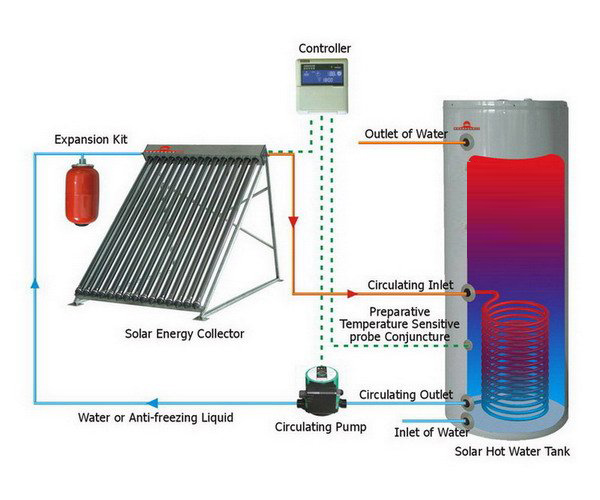
Determine the solar water heater's specifications: The first step is to gather information about the solar water heater, including its solar collector absorber area, hot water storage tank capacity, and insulation level. This information can usually be found in the manufacturer's manual or through online research.
Measure the input and output temperatures: Measure the temperature of the water entering the collector and the temperature of the water leaving the collector. Repeat this process several times throughout the day to get an accurate measurement of the system's performance.
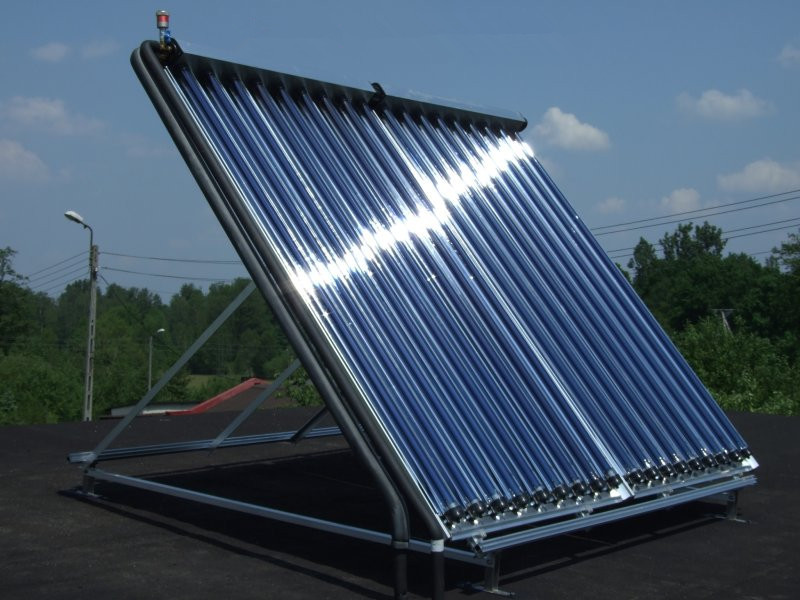
Calculate the solar fraction: The solar fraction is the percentage of the total hot water output that is provided by solar energy. To calculate the solar fraction, divide the amount of hot water produced by the solar water heater by the total amount of hot water used during the test period.
Calculate the solar collector efficiency: The solar collector efficiency is a measure of how effectively the solar collector converts solar energy into heat. To calculate the collector efficiency, divide the amount of heat collected by the solar collector by the solar radiation received by the collector during the test period.
Check for leaks and other issues: During the performance test, check for any leaks or other issues that may be affecting the system's performance. Ensure that all components are functioning properly and that there are no obstructions or damage to the solar collector or piping.
Compare the results: Compare the results of the performance test to the manufacturer's specifications or industry standards to determine if the solar water heater is performing optimally. If the results are lower than expected, it may be necessary to make adjustments or repairs to the system.
Testing the performance of a solar water heater can help ensure that it is operating efficiently and effectively, and can help identify any issues that need to be addressed to optimize its performance.
